Meal Prep vs Daily Cooking: 5 Proven High Protein Tips for Beginners
Introduction
Meal prep vs daily cooking is a common question for beginners starting a high protein lifestyle. Many people struggle to decide whether preparing meals in advance or cooking fresh every day is the best strategy for maintaining consistent nutrition. Both approaches can support healthy eating, but each method has unique advantages depending on your schedule, goals, and cooking experience. Understanding the differences can help beginners choose a high protein strategy that is simple, sustainable, and effective.
Table of Contents
Meal Prep vs Daily Cooking: Which Is Better for High Protein Beginners?
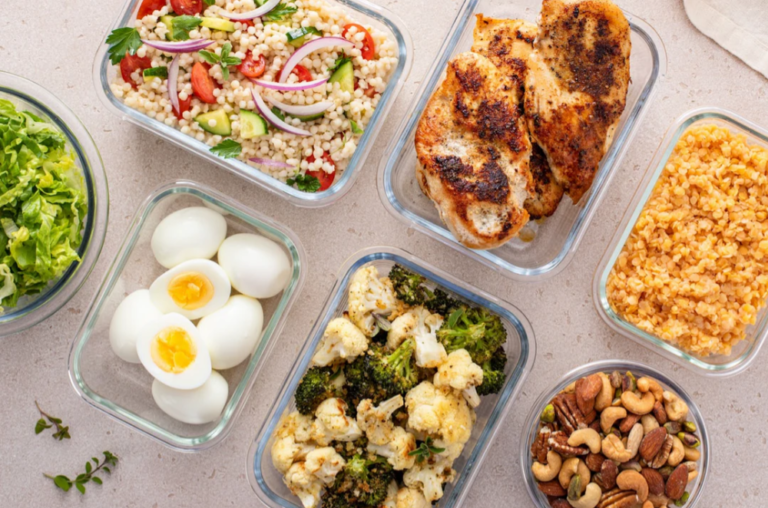
High protein meal prep involves cooking multiple meals in advance and storing them for later use. Beginners often choose this method because it reduces daily cooking time and helps maintain consistent portion control.
Key benefits include:
- Saving time during busy weekdays
- Reducing decision fatigue around meals
- Maintaining consistent protein intake
- Supporting fitness and weight management goals.
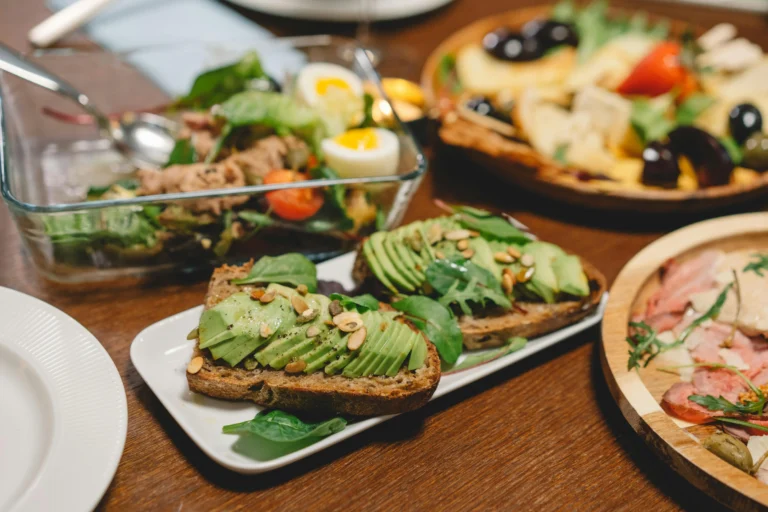
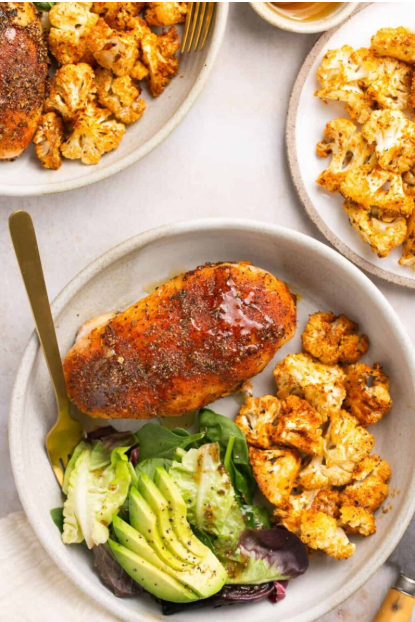
Typical meal prep foods include grilled chicken, boiled eggs, quinoa, rice bowls, and pre-cut vegetables.
What Is Daily Cooking?
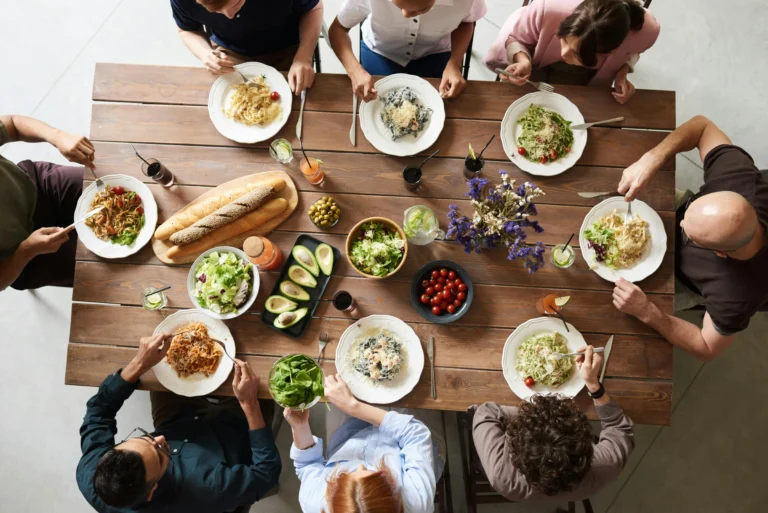
Daily cooking focuses on preparing meals fresh each day. Some beginners prefer this approach because it allows more flexibility and variety in food choices.
Advantages of daily cooking:
- Fresh flavors and textures
- More variety in meals
- Easier adaptation to changing schedules
- Reduced food storage concerns.
Daily cooking can work well for people who enjoy preparing food or have flexible schedules.
Meal Prep vs Daily Cooking: Key Differences for Beginners
Time Management
Meal prep requires a longer cooking session once or twice per week but saves time later. Daily cooking spreads cooking time across the week.
Consistency and Discipline
Meal prep helps beginners stay consistent because meals are already prepared. Daily cooking requires more planning and motivation each day.
Nutrition Control
Meal prep allows easier calorie and protein tracking. Daily cooking offers flexibility but may lead to inconsistent portions.
Cost Efficiency
Preparing meals in batches often reduces food waste and lowers grocery costs compared to cooking daily.
Which Strategy Helps Beginners Stay Consistent?
For most beginners, meal prep offers a simpler starting point because it reduces daily decisions and ensures protein intake remains consistent. However, daily cooking may be better for people who prefer flexibility or dislike repetitive meals.
The best strategy often combines both methods:
- Meal prep for lunches or busy days
- Daily cooking for dinners or weekends.
Beginner-Friendly High Protein Meal Prep Ideas
- Chicken and rice bowls
- Turkey and vegetable wraps
- Egg muffins or boiled eggs
- Tuna or salmon salads
- Greek yogurt snack boxes.
Tips for Choosing the Right Strategy
- Start with simple recipes and minimal ingredients.
- Focus on protein sources that cook quickly.
- Experiment with both methods to find what fits your lifestyle.
- Avoid overcomplicating meal planning during the first weeks.
Conclusion
Choosing between meal prep vs daily cooking depends on your routine, cooking habits, and personal preferences. Beginners often succeed by starting with simple meal prep to build consistency while using daily cooking for variety and flexibility. A balanced approach helps maintain high protein nutrition without stress or complexity.
Did You Enjoy Our Recipes?